उत्पाद वर्णन
Coach Screws
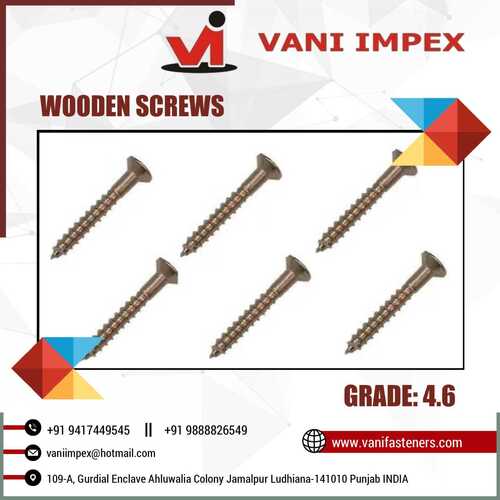
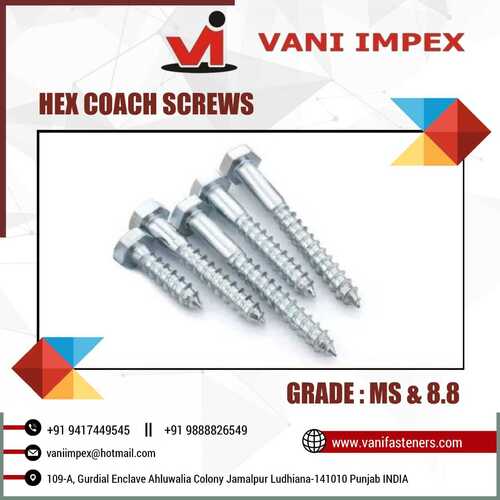
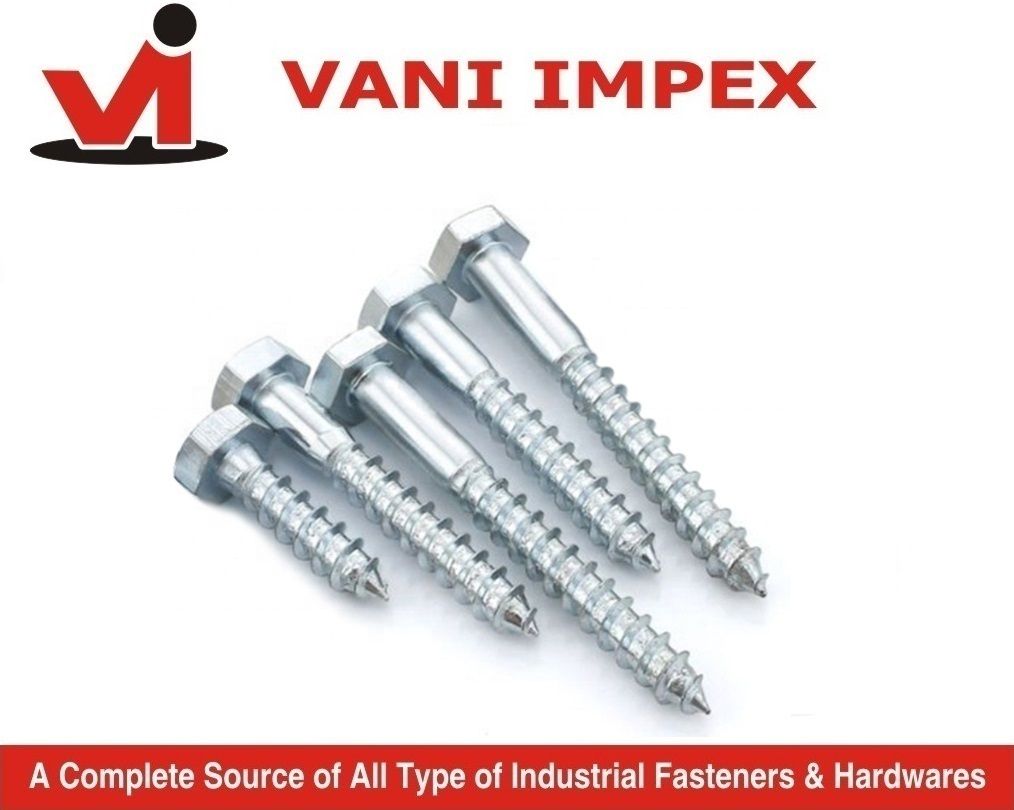
Coach Screws HexHead Coach Screws - Lag Screws - Hex Wooden Screws
Features:
Coachscrews are heavy duty screws designed for metal to wood/timber connections
Also known as lag bolts or lag screws
Hexagonal head engineered to be used with a wrench, spanner, or pliers
These screws come in a wide range of sizes
Consist of an externally threaded cylindrical shaft that tapers to a point,with a head at the other end
Unique thread drive into timber and bite the wood
Applications:
For joining heavy duty metal to wood or timber
Furniture fixing
Heavy frame fixing to metal
Technical Details:
Material: Low Carbon Steel
Coating : Zinc
Finish : White
Available Sizes:
|
Size in (MM)
|
|
6 x 50
|
|
6 x 60
|
|
6 x 75
|
|
6 x 100
|
|
6 x 125
|
|
6 x 150
|
|
8 x 50
|
|
8 x 60
|
|
8 x 75
|
|
8 x 100
|
|
8 x 125
|
|
8 x 150
|
|
10 x 60
|
|
10 x 75
|
|
10 x 100
|
|
10 x 125
|
|
10 x 150
|
|
12 x 75
|
|
12 x 100
|
|
12 x 125
|
|
12 x 150
|
Superior Rust Protection and DurabilityFeaturing a high-grade galvanized coating or zinc plating, these coach screws provide excellent rust and corrosion protection, making them suitable for indoor and outdoor use. The robust surface treatment ensures a long lifespan, even in challenging environments, while the hex head design allows for high torque application during installation.
Versatile Application and Easy InstallationWith a sharp point and coarse thread, these screws are specifically engineered for secure and hassle-free use in woodwork, timber connections, and heavy-duty construction. Their compatibility with both manual and powered installation tools makes the process efficient and straightforward, suitable for professionals and DIY enthusiasts alike.
High Performance for Demanding ProjectsManufactured according to DIN 571 / ISO 571 standards, coach screws offer high tensile strengths (400-800 MPa) and a load capacity ranging from 500 to 5000 kg depending on size and grade. Their anti-loosening feature and high hardness (23-34 HRC) make them ideal choice for structural applications requiring reliability and safety.
FAQ's of Coach Screws:
Q: How do I select the appropriate coach screw length and diameter for my project?
A: Choose the length and diameter of the coach screw based on your material thickness, load requirements, and the specific grade needed for structural integrity. Our sizes range from 40 mm to 300 mm in length and 6 mm to 20 mm in diameter, supporting a wide array of indoor and outdoor projects.
Q: What installation methods can be used with these coach screws?
A: You can install coach screws manually with a wrench or by using power tools such as impact drivers. The hex head design enables secure grip and efficient installation in both woodwork and heavy construction applications.
Q: Where are galvanized and zinc-plated coach screws most beneficial?
A: Galvanized and zinc-plated coach screws, offering high rust protection, are best suited for outdoor or humid environments but also perform exceptionally well indoors. Their corrosion resistance makes them ideal for timber connections, fence constructions, and structural woodwork.
Q: What is the process for ensuring coach screws provide maximum load bearing?
A: To achieve maximum load capacity, select the correct screw size and grade (4.6, 8.8, or 10.9) per your structural needs, and follow manufacturer-recommended torque settings (25-180 Nm). Proper installation ensures reliable performance beneath high loads (500-5000 kg depending on grade and size).
Q: What are the benefits of using coach screws with coarse threading and a sharp point?
A: Coarse threading and a sharp point facilitate fast penetration and strong holding power in timber. This design reduces installation effort, enhances pull-out strength, and ensures a secure, anti-loosening fit in heavy-duty construction.
Q: When should I opt for stainless steel coach screws instead of carbon steel?
A: Opt for stainless steel coach screws in highly corrosive environments, such as coastal, marine, or chemically exposed areas, to ensure enhanced longevity. Carbon steel versions are generally sufficient for standard indoor and outdoor woodwork.